Warding Off Decline, Hospitals Invest in Outpatient Clinics

By Melanie Evans/

Some of the hospital industry’s most active investing these days is happening outside the hospital.

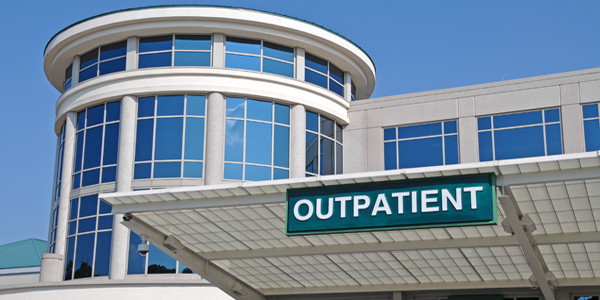
Giant U.S. hospital operators, including Tenet Healthcare Corp., Dignity Health and HCA Healthcare Inc., are investing heavily in surgery centers, emergency rooms and urgent care clinics located outside hospitals, chasing after patients who increasingly want cheaper and more convenient care.

Insurers and employers that pay for health care are helping drive the change as they shift more Americans to high-deductible insurance plans, which require patients to pay more of their medical bills before insurance kicks in. That has pushed more patients to seek lower-cost options, says RBC Capital Markets managing director Frank Morgan, a hospital analyst.

Hospital demand slumped during the last recession, a trend that has continued even as the economy recovers, American Hospital Association data through 2014 show. Admissions growth at HCA hospitals has slowed in recent quarters to 1% to 2%, as a boost from the Affordable Care Act faded, while Tenet’s admissions have been flat or down 1% to 3% most quarters since late 2015.

In an effort to strengthen their hold on their markets and prevent rivals from siphoning off patients, hospitals are investing outside their own walls. They are “following the patient,” Mr. Morgan said.

The strategy also places hospital satellites closer to where patients live and work, which executives say they hope will win over new, loyal customers.

In July, Ashley Hammack rushed to a new free-standing ER in Spring Hill, Tenn., after growing weak from vomiting. The facility, a satellite of TriStar Centennial Medical Center, is a 10 minute drive from her home, about 20 minutes closer than the hospital where she delivered her daughter five months before.

Doctors saw her quickly. “I never even sat down,” Ms. Hammack recalled. She was treated for severe dehydration from what doctors suspected was food poisoning and sent home with medication.

Trevor Fetter, Tenet’s outgoing chief executive, says company executives have pursued rapid outpatient expansion partially out of necessity. Slumping admissions contributed to Tenet and HCA lowering their earnings estimates for 2017, which in turn hit stock prices.

It’s unclear how the shift to out-of-hospital care will affect long-term earnings. Non-hospital operations typically generate lower revenue than hospitals but produce higher profit and require less capital to build and run.

But “it’s happening anyway,” Mr. Fetter said. “Somebody else is going to do it to us if we don’t do it ourselves.”


READ THE REST HERE

Amedica Releases First and Second Quarter 2017 Preliminary Unaudited Earnings Report and Business Update

SALT LAKE CITY, UT–(Marketwired – Sep 22, 2017) – Amedica Corporation (NASDAQ: AMDA), a company that develops and commercializes silicon nitride for biomedical applications, today announced its preliminary earnings report for the first and second quarters ended March 31, 2017 and June 30, 2017, respectively, and provided a business update related to its business strategy and certain recent developments.

2017 Q1 PRELIMINARY EARNINGS REPORT — UNAUDITED

Amedica reported preliminary unaudited revenue of $2.6 million for the first quarter of 2017 as compared to revenue of $4.2 million for the first quarter of 2016. Preliminary unaudited GAAP net loss for the first quarter of 2017 was $0.07 per share, compared to net loss of $0.30 per share in the first quarter of 2016. The company’s cash and cash equivalents were $6.9 million at March 31, 2017, a decrease of $1.0 million from March 31, 2016.

2017 Q2 PRELIMINARY EARNINGS REPORT — UNAUDITED

Amedica reported preliminary unaudited revenue of $3.2 million for the second quarter of 2017 and $5.8 million for the six month period ending June 30, 2017, as compared to revenue of $4.0 million for the second quarter of 2016 and $8.2 million for the six month period ending June 30, 2016. Preliminary unaudited GAAP net loss for the second quarter of 2017 was $0.05 per share, compared to net loss of $0.40 per share in the second quarter of 2016. For the six month period ended June 30, 2017, the company reported preliminary unaudited GAAP net loss of $0.12 per share, compared to a net loss of $0.71 per share in for the six month period ending June 30, 2016. The company’s cash and cash equivalents were $3.5 million at June 30, 2017, a decrease of $1.7 million from June 30, 2016.

BUSINESS UPDATE AND RELATED DEVELOPMENTS

Unaudited Financial Update

As of September 1, 2017, the company has approximately $2.4 million of term debt payable to Hercules, down from $24.3 million of total debt owing in July 2015. The Hercules debt, being currently amortized, will retire by January 2018, or sooner. The company also has $2.7 million of debt payable to North Stadium Investments, without prepayment penalties, back-end fees, debt covenants, or other restrictions. The North Stadium Investments debt is currently being amortized and will retire by July 28, 2018, or sooner.

Commercialization Report

The Alpha launch of Amedica’s Taurus™ Pedicle Screw System, a spine fixation product line that received FDA clearance in November 2016, has now shifted to the Beta launch phase with the release of additional sets to the field. Over 125 new surgeries have been performed with the system generating over $750,000 in new revenue year-to-date. The company plans to release additional sets in the fourth quarter of 2017 to provide increased access to the system to meet new surgeon demand.

In August 2017, the company continued a trend of month-on-month increasing sales of the Taurus system and had its highest monthly revenue year to date. The August sales were led by high demand for the Taurus and Preference pedicle screw systems.
Other commercialization highlights include:

  • 38% increase in surgeons users since the end of 2016.
  • 14% increase in sales agents representing our products versus end of 2016, with many of these agents in parts of the United States that presently had no representation of the company’s products.
  • A new Area Vice President for the Southeast region has been hired. His 20+ years of spine sales experience is consistent with the experience of other AVP and VP leadership team members.

Research and Development

Recent Research and Development Highlights:

  • During 2017, Amedica’s R&D group has published 15 peer-reviewed journal articles and 7 scientific proceedings on various aspects of silicon nitride. 5 additional manuscripts are in preparation or are at various stages of submission and peer review.
  • There have been a total of 19 presentations made at scientific conferences to date. More recently, a presentation entitled, “Osteoinductive Properties of Silicon Nitride, Alumina, and Titanium,” given at the ORS Midwest Musculoskeletal Workshop at Washington University Medical School in July won the “Best Poster” Award.
  • The company has completed an initial friction and wear test of polished silicon nitride against native cartilage. Preliminary data show that silicon nitride is at least non-inferior in its friction and wear performance as compared to typical cobalt chrome alloys that are currently used in this application.
  • Initial characterization and cell adhesion studies on silicon nitride, PEEK, and titanium performed under the company’s multi-year agreement with Texas A&M University’s School of Dentistry are consistent with prior independent studies showing favorable ionic, hydrophilic, and surface texture properties of silicon nitride.
  • Scientific data from the University of Rochester show resistance of silicon nitride to infection with Methicillin-Resistant Staphylococcal Aureus (MRSA), a major pathogen of concern in health care systems. These data, accepted for publication, are consistent with a number of internal and independent studies that have shown similar antimicrobial properties of silicon nitride against a variety of bacterial species, including those implicated in dental infections.

Clinical and Regulatory

As previously announced, in December 2016, Amedica re-filed an application with the FDA with a modified porous (cancellous structured ceramic) cervical implant. After a 510(k) pre-submission meeting, the company remains on track to file a 510k submission with a modified porous (cancellous structured ceramic) cervical implant in October 2017 based on FDA feedback.

In July 2017, Amedica’s Quality Management System was audited by its notified body (BSI) and was certified to the ISO 13485:2016 standard.

Participation at Ladenburg Thalmann 2017 Healthcare Conference
The Company also announced that Dr. Bal will make a presentation at the Ladenburg Thalmann 2017 Healthcare Conference on Tuesday, September 26, 2017, at 10:30 a.m. Eastern time in New York, NY.

A webcast of the presentation will be available during the presentation in the Investors section of the company’s website at http://wsw.com/webcast/ladenburg3/amda/, and will be archived and available at that site for 14 days.

Nasdaq Listing Status
The company has received notice from The NASDAQ Stock Market LLC (“NASDAQ”) indicating that a NASDAQ Hearings Panel (the “Panel”) had granted the company’s request to extend the stay of the suspension of trading in the company’s common stock pending the company’s scheduled hearing on October 12, 2017 before the Panel and a final determination regarding the company’s listing status.

At the October 12, 2017 hearing, the company will present its plan to evidence compliance with NASDAQ’s listing requirements. The company is diligently working to evidence compliance with NASDAQ’s listing requirements as soon as possible; however, there can be no assurance that the Panel will grant the company’s request for continued listing and a further stay of suspension. The delisting of the company’s common stock from the NASDAQ Capital Market could have a material adverse effect on the company’s business and on the trading of its common stock.

Strategic Direction

“Our focus at Amedica is three-fold. First, we are focused on product sales, i.e., increasing revenue so that the company is self-sustaining. Second, we will continue engagement with a number of major, external partners, developing biomedical applications of silicon nitride outside spinal implants. Third, we will continue to strengthen our leadership position in the science and data related to silicon nitride and its biomedical applications,” said B. Sonny Bal, MD, MBA, JD, PhD; Chairman and CEO of Amedica.

Amedica continues to add new U.S surgeons to their customer base while remaining engaged with revenue opportunities in Brazil, Europe, and Australia, all markets where its silicon nitride implants are approved for commercialization.

About Amedica Corporation

Amedica is focused on the development and application of spinal interbody implants made with medical-grade silicon nitride ceramic. Amedica markets spinal fusion products and is developing implants for other biomedical applications, such as wear- and corrosion-resistant hip and knee bearings, and dental implants. The Company’s products are manufactured in its ISO 13485 certified manufacturing facility, and it has a partnership with Kyocera, one of the world’s largest ceramic manufacturers. Amedica’s FDA-cleared and CE-marked spine products are currently marketed in the U.S. and select markets in Europe and South America through its distributor network, and OEM and private label partnerships.

For more information on Amedica or its silicon nitride material platform, please visit www.amedica.com.

Forward-Looking Statements

This press release contains statements that constitute forward-looking statements within the meaning of the Securities Act of 1933 and the Securities Exchange Act of 1934, as amended by the Private Securities Litigation Reform Act of 1995. Such statements, which include statements regarding preliminary unaudited financial results, anticipated future revenues, FDA clearance of our products, addition of new surgeon users, and, results of clinical studies are subject to risks and uncertainties that could cause actual results to differ materially from those contemplated within this press release. A discussion of those risks and uncertainties can be found in Amedica’s Risk Factors disclosure in its Annual Report on Form 10-K, filed with the Securities and Exchange Commission (SEC) on September 20, 2017, and in Amedica’s other filings with the SEC. Amedica disclaims any obligation to update any forward-looking statements.

CONTACT INFORMATION

Augmedics Secures $8.3 Million in Series A Funding for Augmented-Reality Surgical Visualization System

September 19, 2017

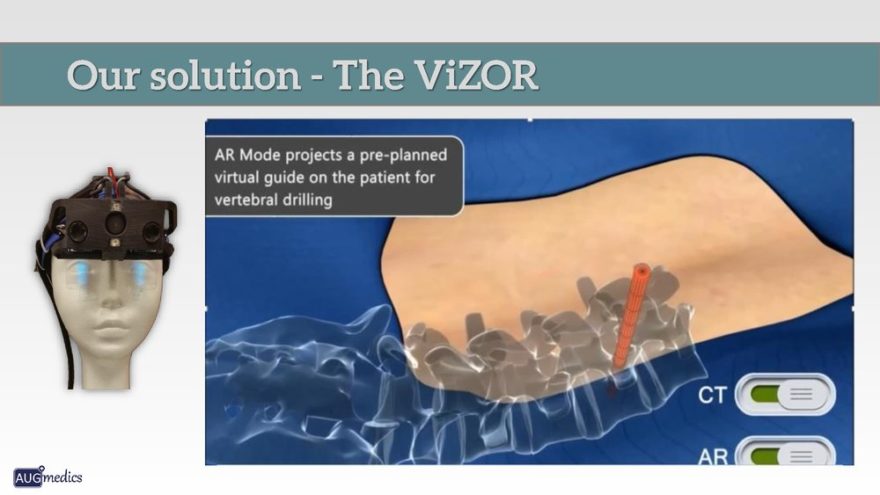
YOKNEAM, Israel–(BUSINESS WIRE)–Augmedics, a developer of an augmented-reality (AR) surgical visualization system, has secured $8.3 million in Series A funding. Led by Davos, Switzerland-based AO Invest, which is fully funded by the non-profit AO Foundation, as well as Israeli Innovation Authority, Terra Venture Partners and other undisclosed investors. Augmedics will use the proceeds to complete research and development as well as pre-clinical and clinical trials of its ViZOR System, establish strategic distribution partnerships, and seek 510(k) clearance for The ViZOR from the US. Food and Drug Administration.

According to Technavio, the global market size for surgical navigation systems is estimated to grow to $900 million by 2020, with compounded annual growth rate (CAGR) of seven percent. Augmedics intends to disrupt this sizeable market with its ViZOR System, an AR surgical visualization system designed to give surgeons “X-ray vision” during complex procedures. With The ViZOR, surgeons can see inside a patient’s anatomy through skin and tissue, for easier, faster and safer surgeries. The ViZOR can be used in many procedures, with the first intended use in minimally invasive spine surgeries. The ViZOR uses proprietary patented see-through AR optics to project a 3D image of a patient’s spine onto a surgeon’s retina, in real-time, with surgical precision and outstanding depth perception. The technology was designed to save time during surgery, reduce radiation exposure and reduce the number of unnecessary repeat operations and hospitalizations.

“The ViZOR System brings disruptive augmented reality technology to spine surgeries to increase safety and enhance surgical performance,” said Nissan Elimelech, CEO of Augmedics. “Augmedics designed The ViZOR to give surgeons the first-time opportunity to actually see inside a patients’ anatomy, providing valuable real-time information in a comfortable and intuitive manner.”

In the future, the ViZOR System will leverage various sensors to collect big surgical data to process and analyze using deep learning algorithms. Ultimately, it will also make suggestions, provide alerts, and perform other surgical assistance during the procedure.

“With deep domain knowledge, crystal-clear thinking and continuous improvement, the Augmedics team was able to develop a product that brings tremendous value to surgeons,” said Michel Orsinger, chairman, AO Invest. “We are happy to work with them and believe in AR’s potential to shape the future of surgery and contribute to better clinical outcomes for patients. With Augmedics, we believe we are backing the leading company in the field. The accuracy, usability and feel of the product are very impressive and promising.”

Founded in 2014, Augmedics received seed financing from TerraLab incubator, an incubator of the Israeli Innovation Authority.

About AO Invest
AO Invest is an investment fund for start-ups run by a board of medical and business experts. The organization focuses on start-ups that are developing innovative technology for orthopedic and trauma surgeons and patients. AO Invest specializes in emerging areas such as visualization, simulation, robotics, data management and digital health, investing not only capital but also know-how and expertise. The group invests in the range of $500,000 to $3 million. AO Invest’s sole investor is the AO Foundation, a surgeon-led, not-for-profit organization.

About Augmedics
Founded in 2014, Augmedics develops cutting edge technologies for future surgery. The company’s ViZOR System is an augmented reality surgical visualization solution designed to allow surgeons to see inside a patient’s anatomy during complex procedures. First intended for use in minimally invasive spinal surgery, The ViZOR can help improve procedures by allowing surgeons to see the patient’s spine through skin and tissue, as if they had X-ray vision, eliminating some of the limitations of minimally invasive spine surgery. Augmedics has received numerous honors, including Technion’s BizTEC 2014, MedTech Innovator 2016, and MEDinISRAEL 2017.

Contacts

Nobles Global Communications
Diana Soltesz, 818-618-5634
diana@noblesgc.com

Ajo LP Invests $2.60 Million in RTI Surgical, Inc. (RTIX)

Posted by:  / September 19, 2017

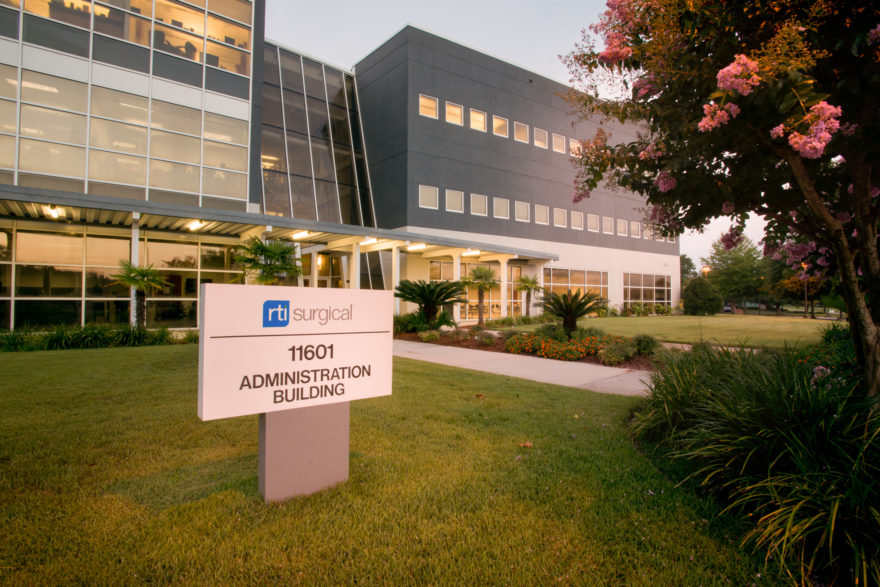
Ajo LP acquired a new position in shares of RTI Surgical, Inc. (NASDAQ:RTIX) during the second quarter, according to its most recent 13F filing with the Securities & Exchange Commission. The firm acquired 443,898 shares of the medical equipment provider’s stock, valued at approximately $2,597,000. Ajo LP owned 0.76% of RTI Surgical as of its most recent SEC filing.

Other large investors also recently modified their holdings of the company. Geode Capital Management LLC grew its position in RTI Surgical by 3.7% in the first quarter. Geode Capital Management LLC now owns 456,346 shares of the medical equipment provider’s stock valued at $1,825,000 after purchasing an additional 16,235 shares in the last quarter. Russell Investments Group Ltd. grew its position in RTI Surgical by 176.0% in the first quarter. Russell Investments Group Ltd. now owns 78,055 shares of the medical equipment provider’s stock valued at $313,000 after purchasing an additional 49,777 shares in the last quarter. Bank of New York Mellon Corp grew its position in RTI Surgical by 3.5% in the first quarter. Bank of New York Mellon Corp now owns 255,656 shares of the medical equipment provider’s stock valued at $1,022,000 after purchasing an additional 8,679 shares in the last quarter. Kennedy Capital Management Inc. grew its position in RTI Surgical by 20.0% in the first quarter. Kennedy Capital Management Inc. now owns 1,422,371 shares of the medical equipment provider’s stock valued at $5,689,000 after purchasing an additional 236,923 shares in the last quarter. Finally, Dimensional Fund Advisors LP grew its position in RTI Surgical by 2.0% in the first quarter. Dimensional Fund Advisors LP now owns 3,900,031 shares of the medical equipment provider’s stock valued at $15,600,000 after purchasing an additional 74,933 shares in the last quarter. Institutional investors and hedge funds own 69.99% of the company’s stock.


READ THE REST HERE

MiMedx To Host Shareholder Call On September 21, 2017 To Update Progress On Various Strategic Initiatives And Respond To Topics Requested By Shareholders

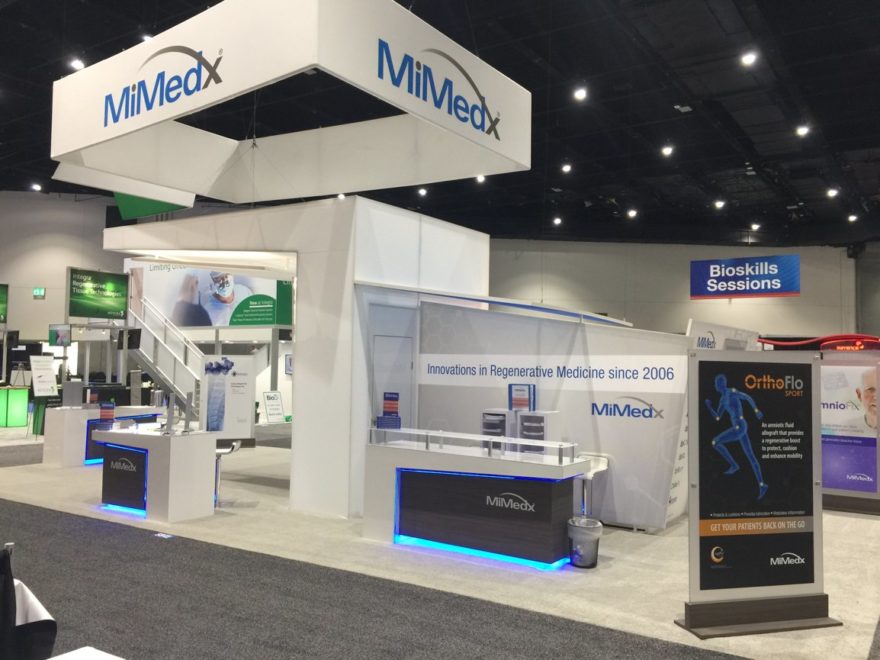
MARIETTA, Ga.Sept. 19, 2017 /PRNewswire/ — MiMedx Group, Inc. (NASDAQ: MDXG), the leading biopharmaceutical company developing and marketing regenerative and therapeutic biologics utilizing human placental tissue allografts and patent-protected processes for multiple sectors of healthcare, announced today it will be hosting a webcast on Thursday, September 21, 2017 beginning at 10:30 a.m. Eastern Time to discuss numerous strategic initiatives and provide in-depth information on other key topics requested by shareholders.

The Company reported that “Pete” Petit, Chairman and CEO; Bill Taylor, President and COO; Chris Cashman, EVP and Chief Commercialization Officer; and Debbie Dean, Executive Vice President, will be presenting during the September 21st call.

The Company expects the planned presentation to last approximately 45 minutes. After the planned presentation, the call will be open for questions and answers. The subject matter, topics and updates to be covered during the formal presentation include:

  • Short Selling Matters and Proactive Remedies
  • Patent and Intellectual Property Matters
  • IND and BLA Clinical Studies
  • Biopharma Market Valuations and Revenue Opportunities
  • Additional Revenue Opportunity from VLU Clinical Study

A listen-only simulcast of this MiMedx shareholder call and presentation slides will be available on-line at the Company’s website at www.mimedx.com beginning at 10:30 a.m. eastern timeSeptember 21, 2017. A 30-day on-line replay will be available approximately one hour following the conclusion of the live broadcast on the Company’s website at www.mimedx.com.

About MiMedx
MiMedx® is the leading biopharmaceutical company developing and marketing regenerative and therapeutic biologics utilizing human placental tissue allografts with patent-protected processes for multiple sectors of healthcare. “Innovations in Regenerative Medicine” is the framework behind our mission to give physicians products and tissues to help the body heal itself.  We process the human placental tissue utilizing our proprietary PURION® Process among other processes, to produce safe and effective allografts.   MiMedx proprietary processing methodology employs aseptic processing techniques in addition to terminal sterilization.  MiMedx is the leading supplier of placental tissue, having supplied over 1,000,000 allografts to date for application in the Wound Care, Burn, Surgical, Orthopedic, Spine, Sports Medicine, Ophthalmic and Dental sectors of healthcare. For additional information, please visit www.mimedx.com.


SOURCE MiMedx Group, Inc.

Spine Devices Market Worth US$ 8,348.2 Million by 2022

Dublin, Ireland — (SBWIRE) — 09/18/2017 — Low back pain is becoming a very common health problem across the globe. Affecting people of all ages from children to elderly, low back pain can be acute or chronic. The prevalence of spine disease is also on a rise due to increasing aging population, changing lifestyle, constant stress, acute or repetitive injuries and various other conditions. There has been a drastic change in spine surgery, with the robotic spine surgery currently being offered by few healthcare providers, giving patients improved outcome than the traditional surgical procedure. Manufacturers are also focusing on developing minimally invasive devices. As the less invasive procedure can result in lower pain score and lead to quick recovery time. Surgeons around the world are also focusing on endoscopic techniques leading to less invasive spine care, hence, new technologies are being developed to simplify technically complex procedures.

Request For Sample Report @ https://www.factmr.com/connectus/sample?flag=S&rep_id=259

Spine device manufacturers are also working towards offering better spinal imaging technology for sharper images. Effective in chronic pain conditions, spinal cord stimulation therapy is on a rise, hence, manufacturers are developing spinal cord stimulator devices that can reduce the risk of thermal tissue damage and are compatible with MRI. Companies are also working on stem cell technology and its use in the spine.

According to the latest report by Fact.MR, the global spine devices market is expected to witness massive growth, registering 7.1% CAGR during the forecast period, 2017 to 2022. Owing to an aging population, occupational posture, obesity, etc., spinal diseases are growing rapidly. Hence, spine surgery has also undergone a significant change, with new spine devices being developed to decompress and stabilize the spine. Following insights show how the global spine devices market will perform in the next five years.

Check Discount @ https://www.factmr.com/connectus/sample?flag=D&rep_id=259

4 Forecast Highlights on Global Spine Devices Market

North America is projected to remain dominant in the global spine devices market throughout the forecast period from 2017 to 2022. The market is anticipated to witness the robust growth, reaching close to US$ 2,900 million revenues by the end of 2022. Owing to the availability of healthcare infrastructure and increase in investment by the government to improve healthcare across the region, North America is expected to emerge as the biggest market for spine devices.

Asia Pacific Excluding Japan (APEJ) spine devices market is expected to experience impressive growth through 2022. The rise in a number of accidents resulting in spine injury, improving lifestyle and an aging population are some of the factors boosting the growth of APEJ spine devices market.

Spinal plates will emerge as one of the most-preferred spine devices. Towards the end of 2017, Spinal plates are projected to gain nearly one-fourth of the revenue share. Meanwhile, spinal screws will also witness healthy growth, reaching nearly US$ 1,500 million revenue by 2022 end.

Compared to orthopedic clinics as the end user of spine devices, hospitals will emerge as the biggest users of spine devices. Towards the end of 2022, Hospitals as the end user are projected to surpass US$ 5,600 million revenue. Hospitals are also expected to account for more than two-third revenue share on global revenues by the end of 2017.

The report has also profiled leading players in the global market for spine devices, which will remain active through 2022. These include companies such as NuVasive, Inc., Exactech, Inc., DePuy Synthes, Braun Melsungen AG., Amedica Corporation, Arthrocare, K2M Group Holding, Inc., Medtronic Plc., Zimmer Biomet Holdings, Inc., and Stryker Corporation.

Click to View Complete Report @ https://www.factmr.com/report/259/spine-devices-market

About Fact.MR
Fact.MR is a fast-growing market research firm that offers the most comprehensive suite of syndicated and customized market research reports. We believe transformative intelligence can educate and inspire businesses to make smarter decisions. We know the limitations of the one-size-fits-all approach; that’s why we publish multi-industry global, regional, and country-specific research reports.

Mazor Robotics Announces Closing of the Third Tranche Equity Investment

September 15, 2017

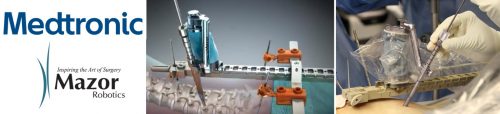
CAESAREA, Israel–(BUSINESS WIRE)–Mazor Robotics Ltd. (TASE:MZOR) (NASDAQGM:MZOR), a pioneer and a leader in the field of surgical guidance systems, today announced the closing of the third tranche equity investment by Medtronic pursuant to the executed agreement between the parties, as previously disclosed on August 30, 2017. Mazor issued 1.04 million American Depositary Shares (ADSs) at $38.46 per ADS, which is equal to the weighted average price of the ADSs for the trailing 20-day period ending on and including August 29, 2017, for an aggregate purchase price of $40 million. In addition, Mazor issued to Medtronic warrants to purchase an additional 1.21 million ADSs at an exercise price of $44.23 per ADS, which represents a 15% premium over the per share price for the $40 million equity investment. Medtronic has the right to exercise the warrants immediately in whole or in part, for cash, and they expire after 18 months from the issuance date.

Medtronic’s total investment in Mazor to date totals $72 million.

About Mazor
Mazor Robotics (TASE: MZOR; NASDAQGM: MZOR) believes in healing through innovation by developing and introducing revolutionary technologies and products aimed at redefining the gold standard of quality care. Mazor Robotics Guidance System enables surgeons to conduct spine and brain procedures in an accurate and secure manner. For more information, please visit www.MazorRobotics.com.

Forward-Looking Statements
This press release contains forward-looking statements within the meaning of the Private Securities Litigation Reform Act of 1995 and other securities laws. Any statements in this release about future expectations, plans or prospects for the Company, including without limitation, statements containing the words “believes,” “anticipates,” “plans,” “expects,” “will” and similar expressions are forward-looking statements. These statements are only predictions based on Mazor’s current expectations and projections about future events. There are important factors that could cause Mazor’s actual results, level of activity, performance or achievements to differ materially from the results, level of activity, performance or achievements expressed or implied by the forward-looking statements. Those factors include, but are not limited to, the impact of general economic conditions, competitive products, product demand and market acceptance risks, reliance on key strategic alliances, fluctuations in operating results, and other factors indicated in Mazor’s filings with the Securities and Exchange Commission (SEC) including those discussed under the heading “Risk Factors” in Mazor’s annual report on Form 20-F filed with the SEC on May 1, 2017 and in subsequent filings with the SEC. For more details, refer to Mazor’s SEC filings. Mazor undertakes no obligation to update forward-looking statements to reflect subsequent occurring events or circumstances, or to changes in our expectations, except as may be required by law.

Contacts

U.S. Contacts:
EVC Group
Michael Polyviou, 212.850.6020
mpolyviou@evcgroup.com
or
Doug Sherk, 646.445.4800
dsherk@evcgroup.com

VEXIM: Strong First Half 2017 Results, in Line with Expectations

September 14, 2017

TOULOUSE, France–(BUSINESS WIRE)–Regulatory News:

VEXIM (FR0011072602 – ALVXM / PEA‐PME) (Paris:ALVXM), a medical device company specializing in the minimally-invasive treatment of vertebral fractures, announces its consolidated results for the first half of 20172 in line with guidance3.

“Our sales performance and controlled expenses for the first half of 2017 are in line with our expectations. This trend should be reinforced in the second half of 2017 allowing us to remain confident in reaching profitability for 2017. On the U.S. development, we are excited to announce we will hold an investors meeting at the upcoming 2017 NASS Congress in Orlando where we will share information on our on-going FDA clinical trial comparing SpineJack® to balloon kyphoplasty and also the go-to-market strategy that will support the launch of SpineJack® in the U.S., subject to 510(k) clearance. These various milestones further position our company to become a global leader in the spine-trauma market,” said Vincent Gardès, VEXIM’s CEO.

+21% increase in sales, gross margin of 72.6% and significant net loss reduction

VEXIM’s sales reached €10.4 million in the first half of 2017, up 21% compared to the same period of 2016. This significant revenue growth shows the effectiveness of the direct sales strategy implemented for SpineJack® in Europe, combined with a network of specialized distributors at the international level (see press release on VEXIM’s sales in the first half of 20174).

The gross profit increased 19% compared to the first half of 2016, up to €7.5 million, representing a 72.6% gross margin (as percentage of sales) vs. 73.8% on the same period last year and 72.2% for the full year 2016. Given the implementation of the direct sales strategy, VEXIM maintained a high level of gross margin, in a context of stable prices.

Compared to the 21% increase in revenue, operating expenses decreased 1%, to €9.0 million, compared with the first half of 2016. The effective control of operating expenses resulted in a saving of €1.3 million in the net operating loss, down to €1.5 million. Net loss for the period was €1.6 million.

Consolidated statement as of June 30, 2017
in € millions First Half 2017 First Half 2016 YoY (%)
Sales 10.4 8.6 21%
Gross profit (gross margin) 7.5 (72.6%) 6.3 (73.8%) 19%
Operating expenses 9.0 9.1 -1%
Net operating income (loss) -1.5 -2.8 -46%
Net income (loss) -1.6 -2.8 -43%

Solid cash position at €5.7 million

As of June 30, 2017, VEXIM had €5.7 million in cash, allowing the company to secure its future development. The company’s current cash position and future cash flows should allow VEXIM to continue to grow in-line with its ambitions.

Other business achievements over the first half of 2017

  • Finalized recruitment of all patients for the FDA study supporting the 510(k) filing for SpineJack® in the U.S.;
  • Launch of a dedicated and specific product for the German market: Masterflow™ Plus;
  • Regulatory approval of SpineJack® in Brazil.

Full-year 2017 guidance confirmed

Given the Company’s solid results for the first half of 2017, VEXIM is on track to reach its full-year 2017 objectives:

  • Maintain strong revenue growth and reach 30% growth over the full year 2017;
  • Achieve profitability for the full year 2017 and generate operational positive cash-flows;
  • Further expand internationally through upcoming distribution agreements in Brazil by the end of 2017;
  • Share information on the on-going 510(k) clinical trial and subsequent go-to-market strategy in the U.S. at the upcoming NASS meeting in Orlando;
  • Continue innovating in the treatment of high energy vertebral fractures through product development projects, leveraging the SpineJack® platform;
  • Continue to develop and penetrate the German market;
  • Regarding the transfer of VEXIM shares to the regulated market of Euronext Paris, which was authorized by the Board of Directors on 21 March 2017, the company is still reviewing all necessary requirements and changes needed to pursue this project. VEXIM aims at completing this review shortly and will complete the transfer by the end of 2017 or beginning of 2018.

Financial reporting schedule:
3rd quarter sales results: Wednesday, October 25th, 20175 (after market close)

NASS 2017: Vexim Investor & Analyst Lunch Meeting & Webcast

U.S. FDA clinical trial update and go-to-market strategy

(in English)

Wednesday, October 25th, 2017 at 12:00 PM ET (Orlando) / 6:00 PM CEST (Paris time)

To join please contact:

For U.S.: The Ruth Group at epoalillo@theruthgroup.com or Tel : +1 646 536 7024

For EU & Intl: Alize RP at vexim@alizerp.com or Tel. : +33 1 44 54 36 66

A replay of the webcast will be available on VEXIM’s website within 48 hours at:

http://www.vexim.com/us/ (U.S. section of the website) > shareholder area

About VEXIM, the innovative back microsurgery specialist

Based in Balma, near Toulouse (France), VEXIM is a medical device company created in February 2006. The company has specialized in the creation and marketing of minimally-invasive solutions for treating traumatic spinal pathologies. Benefitting from the financial support of it long-standing shareholder, Truffle Capital6 and from BPI public subsidies, VEXIM has designed and developed the SpineJack®, a unique implant capable of repairing a fractured vertebra and restoring the balance of the spinal column. The company also developed the MasterflowTM, an innovative solution for mixing and injecting orthopedic cement that enhances the accuracy of the injection and optimizes the overall surgical procedure. The company counts 67 employees, including its own sales teams in Europe and a network of international distributors.

VEXIM has been listed on Euronext Growth since May 2012. For further information, please visit www.vexim.com

SpineJack® 7, a revolutionary implant for treating vertebral fractures

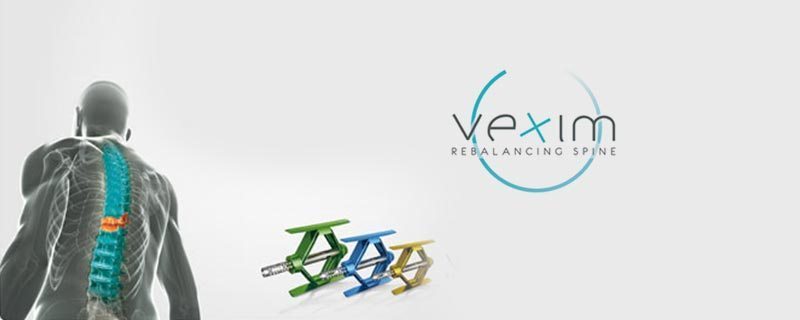
The revolutionary aspect of the SpineJack® lies in its ability to restore a fractured vertebra to its original shape, restore the spinal column’s optimal anatomy and thus remove pain and enable the patient to recover their functional capabilities. Thanks to a specialized range of instruments, inserting the implants into the vertebra is carried out by minimally-invasive surgery, guided by X-ray, in approximately 30 minutes, enabling the patient to be discharged shortly after surgery. The SpineJack® range consists of 3 titanium implants with 3 different diameters, thus covering 95% of vertebral fractures and all patient morphologies. SpineJack® technology benefits from the support of international scientific experts in the field of spinal surgery and worldwide patent protection through to 2029.

Name: VEXIM
ISIN code: FR0011072602
Ticker: ALVXM

Appendixes

Condensed consolidated interim financial statements

In thousands of Euros Six-month period ended
June 30, 2016 June 30, 2017
Revenue 8 564 10 365
Cost of sales (2 246) (2 843)
Gross profit 6 318 7 522
Selling and marketing expenses (4 927) (5 001)
Operational expenses (1 619) (1 572)
General and administrative expenses (2 773) (2 714)
Other gains / (losses), net 240 284
Operating loss (2 761) (1 481)
Finance income / (loss), net (9) (53)
Loss before income tax (2 770) (1 534)
Income tax expense (36) (54)
Loss for the year (2 806) (1 588)
Attributable to:
Equity holders of the Company (2 806) (1 588)
Earnings per share attributable to the equity holders of the Company during the period
Basic earnings per share (0,37) (0,21)
Diluted earnings per share (0,37) (0,21)

Interim consolidated balance sheet – Assets

In thousands of Euros

December 31,
2016

June 30, 2017
Intangible assets 2 229 3 226
Property and equipment 1 382 1 649
Other receivables 171 226
Deferred tax assets 522 500
Non-current assets 4 304 5 601
Inventories 3 675 4 684
Trade receivables 4 670 5 508
Other receivables 2 255 2 112
Cash and cash equivalents 9 765 5 734
Current assets 20 365 18 038
Total assets 24 669 23 639

Interim consolidated balance sheet – Equity and liabilities

In thousands of Euros

December 31,
2016

June 30, 2017
Ordinary shares 762 764
Share premium 61 109 61 296
Other reserves 1 204 1 724
Retained earnings (45 383) (46 970)
Equity attributable to equity holders of the Company 17 693 16 813
Non-controlling interests
Total equity 17 693 16 813
Repayable advances 427 43
Retirement benefit obligations 111 125
Non-current liabilities 538 168
Repayable advances 314 400
Trade payables 2 365 3 603
Other payables 3 541 2 437
Provisions for other liabilities and charges 218 218
Current liabilities 6 438 6 658
Total liabilities 6 976 6 826
Total equity and liabilities 24 669 23 639

Interim consolidated statement of cash-flow

In thousands of Euros Six-month period ended
June 30, 2016 June 30, 2017
Loss for the period (2 806) (1 588)
Adjustments for:
Depreciation of tangible assets, amortization of intangible assets 136 162
Impairment of receivables 83 (22)
Impairment of inventories 20 7
Share-based payments 277 496
Change in retirement benefit obligation 27 14
Variation in provisions for risks 167
Income tax 35 54
Cash used in operations before changes in working capital (2 061) (877)
Changes in working capital
Inventories (12) (1 016)
Trade receivables (693) (816)
Other receivables (436) 178
Trade payables (518) 1 238
Other payables 158 (1 284)
Cash used in changes in working capital (1 501) (1 700)
Net cash used in operating activities (3 562) (2 577)
Cash flows from investing activities
Purchases of property and equipment (595) (356)
Purchases of intangible assets (443) (1 070)
Disposal of assets
Net cash used in investing activities (1 038) (1 426)
Cash flows from financing activities
Proceeds from issuance of ordinary shares, net of issuance costs 10 453 189
Direct costs paid related to capital increase (421)
Repayable advance (210) (314)
Treasury shares 69
Net cash generated by / (used) in financing activities 9 822 (56)
Net increase / (decrease) in cash and cash equivalents 5 222 (4 059)
Cash and cash equivalents at beginning of the period 4 208 9 765
Effect of exchange rate fluctuations (12) 29
Cash, cash equivalents at end of the period 9 418 5 734

1 NASS : North American Spine Society : https://www.spine.org/
2 The results, which were subject to a limited review, have been approved by the Board of Directors of VEXIM at its meeting held on September 13th, 2017.
3 Consolidated financial statements presented in Appendix.
4 Press release published on July 11th, 2017: http://us.vexim.com/press/continued-growth-adoption-spinejack-q2-2017/
5 indicative date, subject to change.
6 Founded in 2001 in Paris, Truffle Capital is a leading independent European private equity firm. It is dedicated to investing in and building technology leaders in the IT, life sciences and energy sectors. Truffle Capital manages €550m via FCPRs and FCPIs, the latter offering tax rebates (funds are blocked during 7 to 10 years). For further information, please visit www.truffle.fr and www.fcpi.fr.
7 This medical device is a regulated health product that, with regard to these regulations, bears the CE mark. Please refer to the Instructions for Use.

Contacts

VEXIM
Vincent Gardès, CEO
José Da Gloria, Chief Financial Officer
Tél. : +33 5 61 48 48 38
investisseur@vexim.com
or
PRESS
ALIZE RP
Caroline Carmagnol / Wendy Rigal
Tél. : +33 1 44 54 36 66
Tél. : +33 6 48 82 18 94
vexim@alizerp.com

SpineGuard Reports Six-Month 2017 Financial Results

September 14, 2017

PARIS & SAN FRANCISCO–(BUSINESS WIRE)–Regulatory News:

SpineGuard (Paris:ALSGD) (FR0011464452 – ALSGD), an innovative company that designs, develops, and markets disposable medical devices intended to make spine surgery safer, announced today financial results for the half year ending June 30, 2017, as approved by the Board of Directors on September 13, 2017.

Stéphane Bette, CEO of SpineGuard, said: “We are particularly gratified by the first half result for 2017 because it combines sales growth and significant improvement in our operational result. These results show our ability to capitalize on our solid foundations and optimize our operational functions with the view of reaching profitability towards the end of 2018. This six months was also very fruitful in terms of strategic alliances, with the signing of two major deals: the distribution in China with XR Medical, which opens great long term perspectives in the second largest spinal market worldwide; and, the exclusive licensing with Adin Dental Implants that illustrates the value of our technology beyond spine surgery.”

€ thousands – IFRS H1 2017 H1 2016
Revenue 4,199 3,633
Gross margin 3,613 3,105
Gross margin (% of revenue) 86,0% 85,5%
Sales, distribution, marketing -3,400 -3,477
Administrative costs -1,055 -1,076
Research & Development -684 -764
Operating profit / (loss) -1 ,526 -2 ,212
Non recurring operating costs -152 0
Financial result -566 -260
Income tax 0 0
Net profit / (loss) -2,244 -2,472

NB : unaudited

Sales growth and reduced operating loss

For H1 2017, the Company reported revenue of €4,199k, up 16% (13% cc) compared with H1 2016.

Revenue in the United States increased 19% (15% cc) to €3,397k in the first half of 2017, compared with €2,866k in the first half of 2016. In the rest of the world, revenue increased 5% during the first half of 2017 to €802k compared with €767k in the first half of 2016.

4,264 DSG units were sold in the first half of 2017 compared with 4,351 in the first half of 2016, including 2,589 in the United States, representing 61% of total units sold.

Gross margin of 86.0% at June 30, 2017 compares favorably with the prior year result of 85.5%. The change mainly reflects a stronger ASP in the USA in particular thanks to the PediGuard Threaded.

Operating expenses were €5,139k compared with €5,318k for H1 2017, a decrease of 4% compared with June 30, 2016.

Working capital requirements were €840k compared with €955k at December 31, 2016. This continues to illustrate the relatively low operating cash needs of the Company and the efficient management of its financial resources.

At June 30, 2017, cash and cash equivalents were €2,061k compared with €1,804k at December 31, 2016, and is explained as follows:

  • The operating cash flow of €(1,494)k compared with the same period last year of €(2,732)k.
  • The payment of interests to IPF Partners of €178k and to Bpifrance of €37k.
  • The equity funding for a net amount of €1,855k in April 2017.

The Company’s workforce count is 28 at H1 2017, flat compared to end of December 2016.

Recent events and outlook:

  • The appointment of Stéphane Bette, co-Founder, CTO and US General Manager, as CEO of the company effective on July 13th; Pierre Jérôme, who has served as CEO since the company’s founding, continues to serve as Board Director of the company;
  • the signature of an exclusive distribution agreement with XinRong Medical Group for PediGuard® in China, the second largest spinal market worldwide;
  • the first licensing deal for DSG™ technology outside spine with Adin in dental implantology;
  • the US Patent Office granted a new patent for DSG™ technology in digital health: Bone Quality Measurement;
  • the 10th scientific publication on PediGuard clinical value;
  • the implementation of a profitability plan to reach operating breakeven by the end of 2018;
  • SpineGuard is actively pursuing other industry partnerships for expanded commercial applications of its proprietary digital DSG™ technology within the spinal and broader musculoskeletal sector to trigger new sources of revenue;
  • in the USA, SpineGuard’s primary commercial focus, the launch of the Zavation DSG™ screw is scheduled at the coming NASS (North American Spine Society) mid-October in Orlando (FL).

Next financial press release: Third quarter 2017 revenue on October 5, 2017

About SpineGuard®
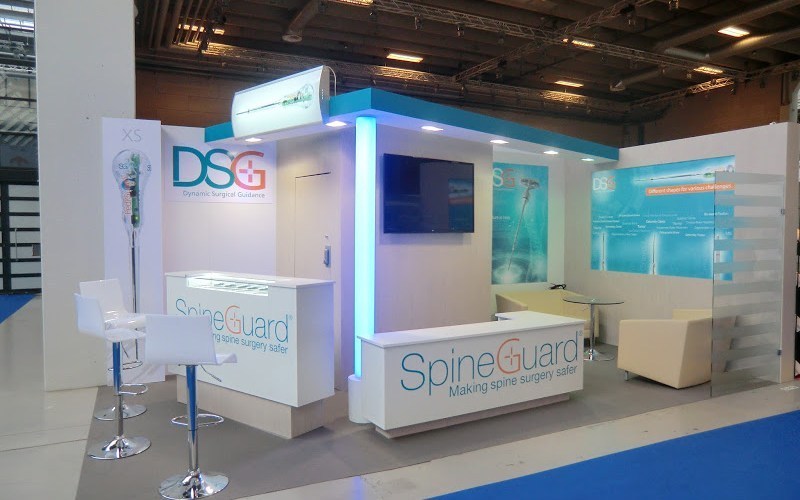
Founded in 2009 in France and the USA, by Pierre Jérôme and Stéphane Bette, SpineGuard’s mission is to make spine surgery safer by bringing real-time digital technology into the operating room. Its primary objective is to establish its proprietary DSG™ (Dynamic Surgical Guidance) technology as the global standard of surgical care, starting with safer screw placement in spine surgery and then in other surgeries. PediGuard®, the first device designed using DSG, was co-invented by Maurice Bourlion, Ph.D., Ciaran Bolger, M.D., Ph.D., and Alain Vanquaethem, Biomedical Engineer. It is the world’s first and only handheld device capable of alerting surgeons to potential pedicular or vertebral breaches. Over 55,000 surgical procedures have been performed worldwide with DSG™ enabled devices. Numerous studies published in peer-reviewed medical and scientific journals have demonstrated the multiple benefits that PediGuard® delivers to patients, surgical staff and hospitals. SpineGuard is expanding the scope of its DSG™ platform through strategic partnerships with innovative medical device companies and the development of smart instruments and implants. SpineGuard has offices in San Francisco and Paris. For further information, visit www.spineguard.com.

Disclaimer
The SpineGuard securities may not be offered or sold in the United States as they have not been and will not be registered under the Securities Act or any United States state securities laws, and SpineGuard does not intend to make a public offer of its securities in the United States. This is an announcement and not a prospectus, and the information contained herein does and shall not constitute an offer to sell or the solicitation of an offer to buy, nor shall there be any sale of the securities referred to herein in the United States in which such offer, solicitation or sale would be unlawful prior to registration or exemption from registration.

Contacts

SpineGuard
Stéphane Bette, Tel. : +33 (0) 1 45 18 45 19
Chief Executive Officer
s.bette@spineguard.com
or
Manuel Lanfossi, Tel: +33 (0)1 45 18 45 19
Chief Financial Officer
m.lanfossi@spineguard.com
or
NewCap
Investor Relations & Financial Communication
Florent Alba / Pierre Laurent
Tel: +33 (0)1 44 71 94 94
spineguard@newcap.fr

MiMedx Reiterates Its Third Quarter Revenue Expectation To Exceed $80 Million Despite Hurricane Irma

MARIETTA, Ga.Sept. 13, 2017 /PRNewswire/ — MiMedx Group, Inc. (NASDAQ: MDXG), the leading biopharmaceutical company developing and marketing regenerative and therapeutic biologics utilizing human placental tissue allografts with patent-protected processes for multiple sectors of healthcare, announced today that the Company’s production operations in Georgia and placenta recovery functions are operating normally, and its previously published expectation for third quarter of 2017 revenue to exceed the $80 million mark is unaffected by Hurricane Irma.

Parker H. Petit, Chairman and CEO, stated, “In our press release of September 5, 2017, we announced that based on the strength of our July and August revenue performance, we expected to exceed $80 million in revenue for the third quarter of 2017 and surpass our guidance for the quarter.  While that press release was issued prior to Hurricane Irma making landfall in Florida and continuing its path through other southern states, the Company continues to expect third quarter revenue to be above $80 million. As the medical communities in the area of the country affected by Irma get back to their normal levels of wound care and surgical procedures, we anticipate our performance in other parts of the country should more than compensate for this temporary impact due to our improved sales efficiencies, territory analytics and sales management system.”

Bill Taylor, President and COO, said, “In 2013, we moved into our current headquarters facility in Marietta, Georgia. That facility also houses our Quality Assurance, Processing, Shipping and Distribution functions. We continued to maintain our prior production facility in Kennesaw, Georgia to serve as our disaster recovery site with the above operating functions retained for redundancy as well as our site to preserve excess capacity for periods of heightened demand for product. We recover donated placentas through contracted arrangements in a large number of hospitals located across the country, and have the capability to increase the placenta recoveries in these hospitals to offset any reduction in C-section deliveries in hospitals impacted by a natural disaster.”

“We are thankful for the infrastructure we have developed that allows us to continue our growth trajectory despite recent natural disasters across parts of the country. We are also extremely proud of the resolve and determination exhibited by our employees to help in any way they can to support their fellow employees and communities in time of need. We have set up various means of financial support for our employees and their families who have been impacted by Hurricane Harvey and Hurricane Irma. We are also supporting charities that are serving the communities devastated by these storms,” added Petit.

“To reiterate what we also stated a week ago, we remain confident in our ability to meet or exceed the revenue projections we have previously set for full year 2017, which are in the range of $309 million to $311 million.  Any changes in our annual expectations will be discussed with our third quarter press release,” concluded Petit.

About MiMedx
MiMedx® is the leading biopharmaceutical company developing and marketing regenerative and therapeutic biologics utilizing human placental tissue allografts with patent-protected processes for multiple sectors of healthcare. “Innovations in Regenerative Medicine” is the framework behind our mission to give physicians products and tissues to help the body heal itself.  We process the human placental tissue utilizing our proprietary PURION® Process among other processes, to produce safe and effective allografts.   MiMedx proprietary processing methodology employs aseptic processing techniques in addition to terminal sterilization.  MiMedx is the leading supplier of placental tissue, having supplied over 1,000,000 allografts to date for application in the Wound Care, Burn, Surgical, Orthopedic, Spine, Sports Medicine, Ophthalmic and Dental sectors of healthcare. For additional information, please visit www.mimedx.com.

Important Cautionary Statement
This press release includes forward-looking statements, including statements regarding revenue expectations for the 2017 third quarter and full year; expectations for sales performance, production operations and placenta recovery despite the effects of Hurricane Harvey and Hurricane Irma; and the effect of the Company’s sales efficiencies, territory analytics, sales management system, and  infrastructure on growth continuation despite natural disasters in parts of the country.  These statements also may be identified by words such as “believe,” “except,” “may,” “plan,” “potential,” “will” and similar expressions, and are based on our current beliefs and expectations. Forward-looking statements are subject to significant risks and uncertainties, and we caution investors against placing undue reliance on such statements.  Actual results may differ materially from those set forth in the forward-looking statements. Among the risks and uncertainties that could cause actual results to differ materially from those indicated by such forward-looking statements include the risk that the Company’s revenue for the 2017 third quarter and full year may not materialize as expected; that the Company’s sales performance, production operations and placenta recovery may be more negatively impacted than anticipated due to  Hurricane Harvey and Hurricane Irma; the Company’s performance in other areas of the country may not compensate for the impact from the hurricanes; and that the Company’s sales efficiencies, territory analytics, sales management system, and infrastructure may not continue to contribute to growth despite natural disasters in parts of the country.  For more detailed information on the risks and uncertainties, please review the Risk Factors section of our most recent annual report or quarterly report filed with the Securities and Exchange Commission.  Any forward-looking statements speak only as of the date of this press release and we assume no obligation to update any forward-looking statement.

SOURCE MiMedx Group, Inc.